
7 clinics across Greater Boston

Manual Therapy in Physical Therapy

Manual therapy is a hands-on physical therapy treatment used to address pain, joint mobility, soft-tissue restrictions, and movement limitations.

What Is Manual Therapy?

Manual therapy is a group of skilled hands-on techniques used by physical therapists to assess and treat joints, muscles, fascia, and other soft tissues.

At Boston PT & Wellness, our physical therapists may incorporate manual therapy into an individualized rehabilitation program when it is appropriate for your condition and goals.

Manual therapy can be used alongside therapeutic exercise, neuromuscular training, movement retraining, and other physical therapy interventions to help restore comfortable movement and improve function.

Depending on your condition, manual therapy may be used to:

Reduce pain and discomfort
Improve joint mobility
Improve soft-tissue mobility
Reduce muscle tension
Improve flexibility
Restore range of motion
Address scar tissue and soft-tissue restrictions
Improve nerve mobility
Support normal movement patterns
Improve mobility of the spine and extremities
A physical therapist performing hands-on neck treatment on a patient

Common Manual Therapy Techniques

Manual therapy includes a variety of techniques. Your physical therapist may use one or more of the following depending on your condition.

Soft Tissue Mobilization

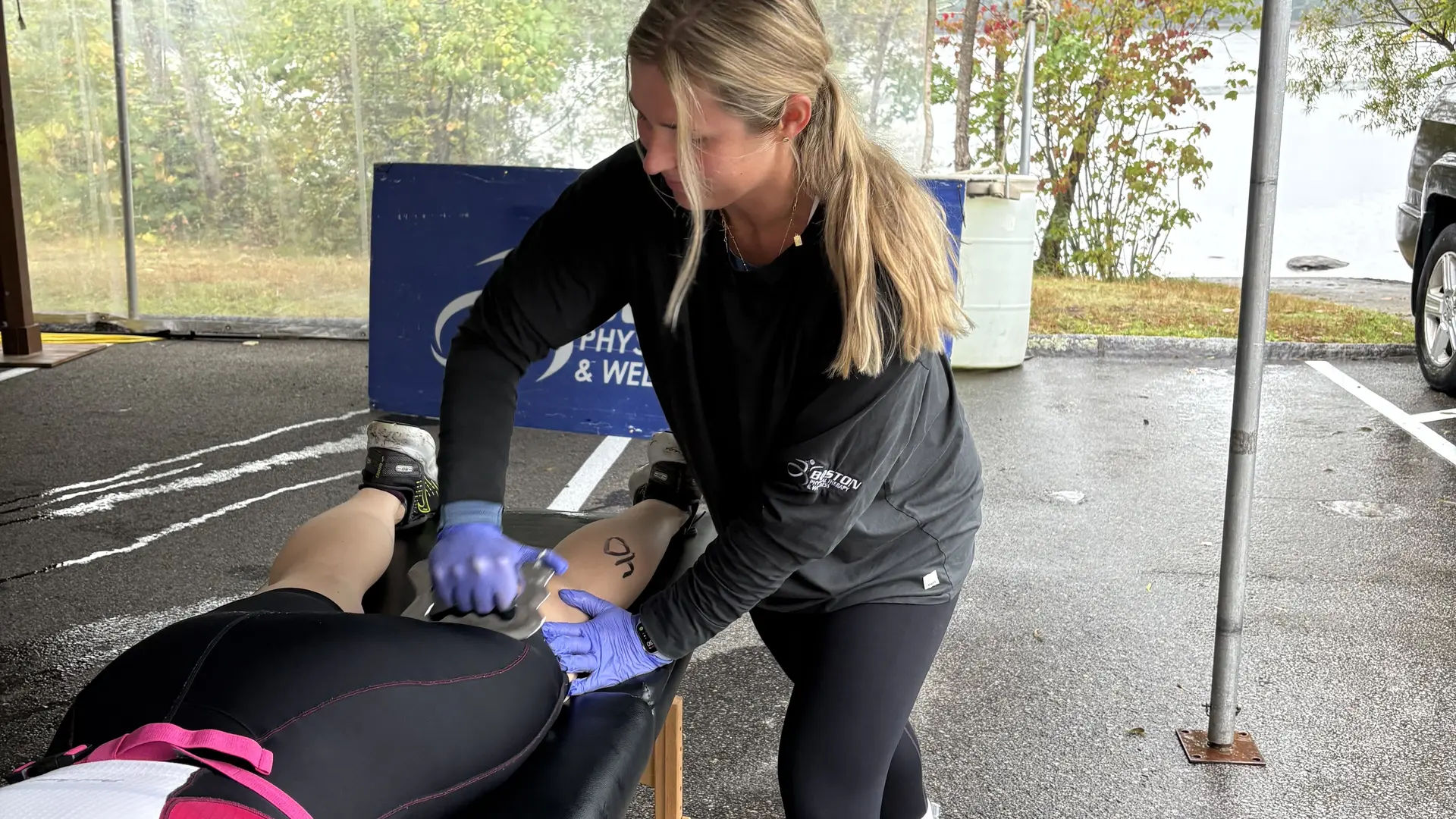
Soft tissue mobilization involves hands-on techniques applied to muscles and other soft tissues to address areas of tension, restriction, or reduced mobility.

Joint Mobilization

Joint mobilization uses controlled, therapist-applied movements to address joint stiffness and improve mobility when appropriate.

Joint Manipulation

Joint manipulation is a specific manual therapy technique involving a controlled, quick movement of a joint. It may be used selectively when clinically appropriate and when it is consistent with your treatment goals.

Passive Range of Motion

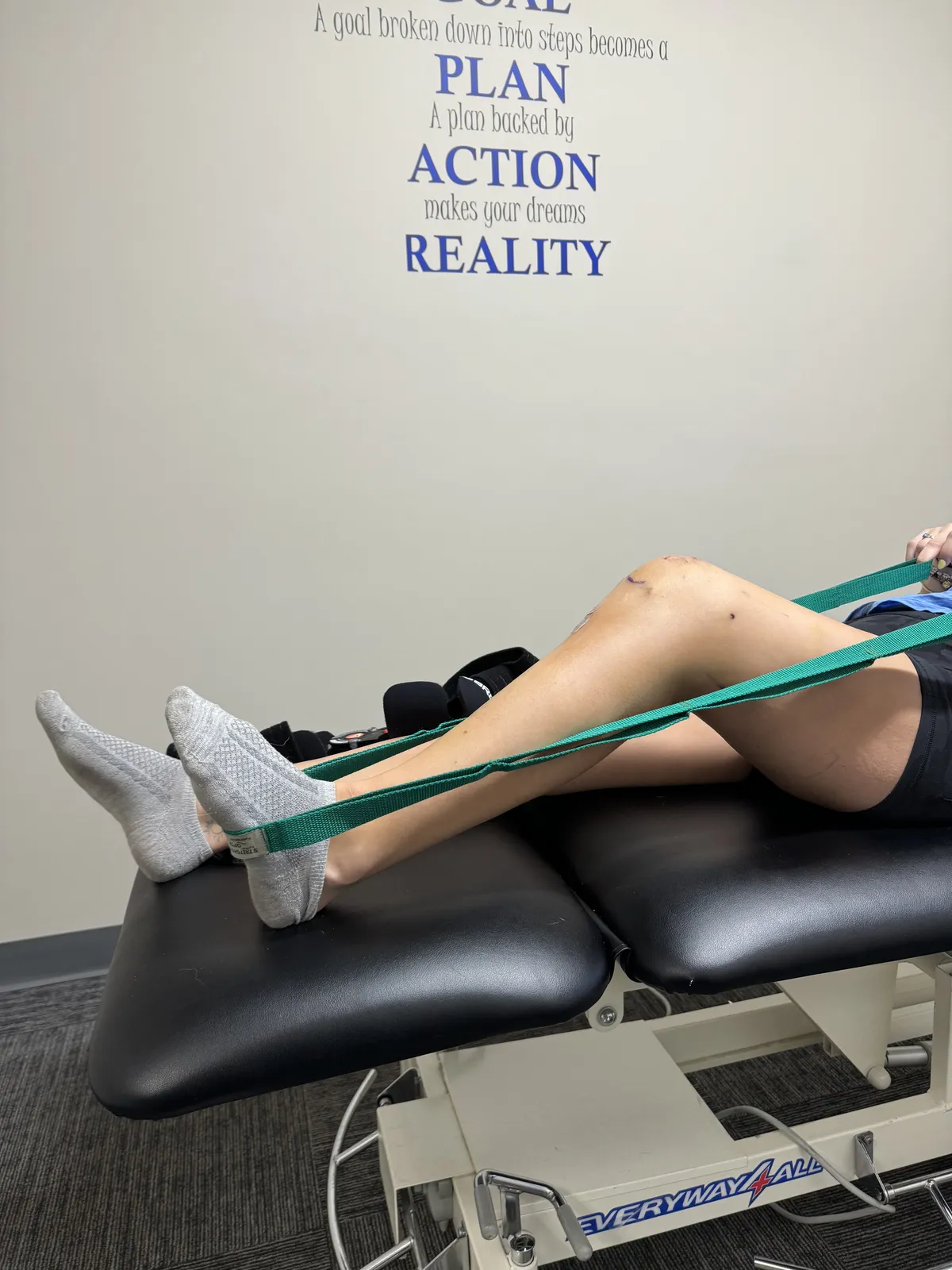
Your physical therapist moves a joint through an available range of motion while you remain relaxed. This may be used to assess or help maintain mobility when active movement is limited.

Mobilization With Movement

These techniques combine therapist-applied joint or soft-tissue movement with active movement performed by the patient.

Traction

Traction involves applying a controlled pulling force to a joint or body region. Depending on the area being treated, it may be used to address mobility limitations or symptoms.

Proprioceptive Neuromuscular Facilitation

Proprioceptive neuromuscular facilitation (PNF) uses specific movement patterns and resistance techniques to improve movement, coordination, flexibility, and neuromuscular control.

Your physical therapist will determine which techniques are appropriate based on your evaluation and treatment goals.

What Can Manual Therapy Help With?

Manual therapy may be incorporated into physical therapy for a variety of musculoskeletal conditions, including:

Back and neck pain
Joint stiffness
Muscle tightness
Sports injuries
Sprains and strains
Tendon and soft-tissue injuries
Post-surgical stiffness
Scar tissue restrictions
Shoulder, elbow, wrist, and hand conditions Hip, knee, ankle, and foot conditions
Movement limitations

The appropriate treatment depends on your specific condition and physical therapy evaluation.

How manual therapy is used

Manual Therapy for Joint Mobility

Joint stiffness can make everyday activities, exercise, and sports more difficult.

Manual therapy may be used to address restrictions in joint movement and complement active rehabilitation exercises.

For example, your physical therapist may use manual techniques to help address mobility limitations in the:

  • Spine
  • Shoulder
  • Elbow
  • Wrist and hand
  • Hip
  • Knee
  • Ankle
  • Foot

Manual Therapy for Soft Tissue Restrictions

Muscles, fascia, tendons, and other soft tissues can become restricted following injury, surgery, periods of inactivity, or repetitive stress.

Manual therapy may be used to address areas of reduced soft-tissue mobility and complement exercises designed to restore strength, flexibility, and function.

Manual Therapy After Surgery

Following surgery, patients may experience temporary limitations in mobility, strength, and tissue movement.

When appropriate, manual therapy may be incorporated into a post-surgical rehabilitation program to help address mobility restrictions while your physical therapist progressively restores strength and function.

Your treatment will always be adapted to your surgical procedure, healing stage, medical guidelines, and individual goals.

The goal is to help restore useful movement and make it easier for you to participate in active rehabilitation.

Manual Therapy as Part of a Comprehensive Physical Therapy Program

Manual therapy is typically most effective when combined with active rehabilitation.

At Boston PT & Wellness, manual therapy may be paired with:

Therapeutic exercise
Progressive strengthening
Neuromuscular training
Mobility exercises
Balance and coordination training
Movement retraining
Functional rehabilitation
Sport-specific training
Patient education

Hands-on treatment can help address certain mobility or symptom limitations, while active rehabilitation helps you build the strength, control, and physical capacity needed for lasting functional improvement.

What to Expect During Manual Therapy

If manual therapy is appropriate for your treatment, your physical therapist will explain the technique and what you should expect.

Depending on your condition, you may be positioned sitting, standing, or lying on a treatment table while your therapist applies controlled hands-on techniques to the relevant area.

Your therapist will monitor your response throughout treatment and modify the technique as needed.

Manual therapy should be part of a treatment plan that is specific to your condition, tolerance, and goals.

What our patients say.

“Shannon is the BEST!!! The exercises and stretching has made serious improvement. And the soft tissue work she’s provided has been a key factor in how good my back has been feeling! Seriously can’t thank her enough and always look forward to our visits :)”
Sydney R. · Wakefield

Frequently Asked Questions About Manual Therapy

01 / What is manual therapy in physical therapy?
Manual therapy is a group of skilled hands-on techniques used by physical therapists to address joint mobility, soft-tissue mobility, pain, flexibility, and movement limitations.
02 / What is the difference between manual therapy and massage?
Massage is generally focused on manipulating soft tissues for relaxation, wellness, or symptom relief. Manual therapy is a broader physical therapy treatment category that may include joint mobilization, manipulation, soft-tissue techniques, traction, and other techniques selected based on a patient’s evaluation and rehabilitation goals.
03 / Does manual therapy help with pain?
Manual therapy may help reduce pain and improve movement for some patients and conditions. Your physical therapist will determine whether manual therapy is appropriate and how it should be combined with other treatments.
04 / Does manual therapy improve flexibility?
Manual therapy may help improve mobility or flexibility when restrictions in joints or soft tissues are contributing to limited movement. Active mobility and strengthening exercises are often incorporated as well.
05 / Is manual therapy painful?
Manual therapy techniques should be appropriately dosed to your condition and tolerance. Some techniques may create a feeling of pressure, stretching, or temporary discomfort, but your physical therapist will monitor your response and adjust treatment as needed.
06 / Do I need manual therapy at every physical therapy appointment?
Not necessarily. Your treatment plan may change as you progress. Manual therapy may be used when clinically appropriate and combined with active rehabilitation to address your current needs.

Experience Personalized Manual Therapy at Boston PT & Wellness

Manual therapy is one tool within a comprehensive physical therapy program. Our physical therapists select treatment techniques based on your evaluation, symptoms, movement limitations, and goals.

Whether you’re dealing with joint stiffness, muscle tension, an orthopedic injury, post-surgical limitations, or another musculoskeletal condition, we can develop an individualized treatment plan to help you move and function better.

Contact Boston PT & Wellness to schedule a physical therapy evaluation and learn whether manual therapy may be appropriate for you.

Prefer to call? (781) 874-9294

Ready to book now? Schedule online