
7 clinics across Greater Boston

Joint Mobilization & Manipulation in Physical Therapy

Joint mobilization and manipulation are hands-on physical therapy techniques that may be used to improve joint mobility, reduce pain, and restore movement and function.

What Is Joint Mobilization?

At Boston PT & Wellness, our physical therapists are trained to evaluate joint and movement restrictions and determine whether joint mobilization, manipulation, or other treatment approaches may be appropriate for your condition.

These techniques may be used as part of a comprehensive rehabilitation program that can also include therapeutic exercise, strengthening, neuromuscular training, mobility work, and movement retraining.

Joint mobilization is a hands-on physical therapy technique in which a therapist applies controlled movements to a joint to address mobility restrictions and improve movement.

Joint mobilizations may be used to:

Improve joint mobility
Reduce pain
Improve range of motion
Decrease stiffness
Improve movement quality
Support functional movement
Help restore normal joint mechanics
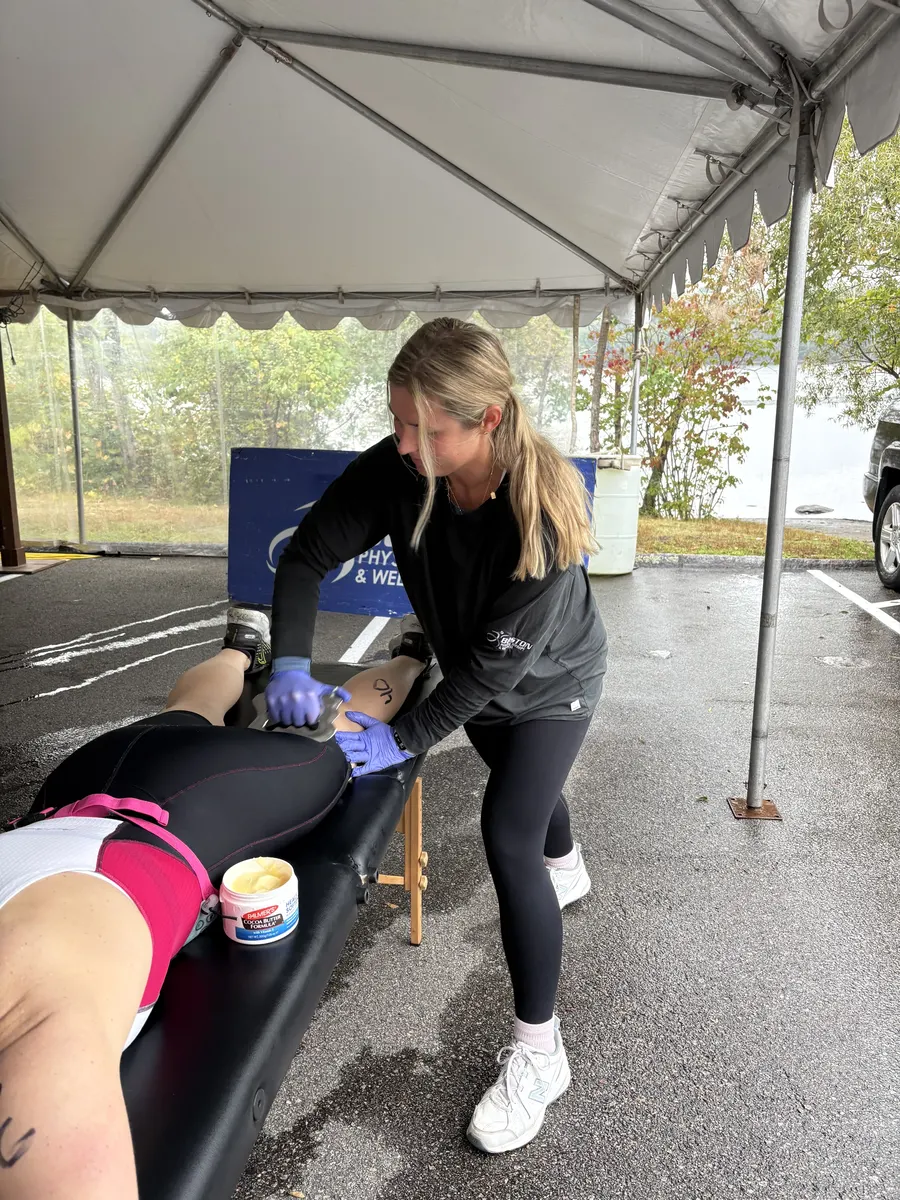
A physical therapist using a mobilization belt to treat a patient’s leg

What Is Joint Manipulation?

Joint manipulation is a specific manual therapy technique involving a controlled, high-velocity, low-amplitude movement applied to a joint.

Manipulation may be performed manually or, in some cases, with a specialized device.

When clinically appropriate, manipulation may be used to help:

Reduce pain
Improve joint mobility
Improve range of motion
Improve physical function
Support more comfortable movement

Manipulation is not appropriate for every patient or condition. Your physical therapist will determine whether it is appropriate based on your medical history, physical examination, symptoms, and goals.

Joint Mobilization vs. Joint Manipulation

Joint mobilization can be performed on many areas of the body, including the spine and the joints of the upper and lower extremities.

Although the terms are sometimes used interchangeably, joint mobilization and joint manipulation are different techniques.

Joint Mobilization

Joint mobilization generally involves slower, controlled movements of varying grades and amplitudes.

Joint Manipulation

Joint manipulation involves a brief, controlled high-velocity, low-amplitude thrust.

Both techniques may be used to address joint mobility and pain, but the choice of technique depends on the individual patient and clinical situation.

Types of Joint Mobilization Techniques

There are several approaches to joint mobilization and manual therapy. Your physical therapist will select techniques based on your specific movement limitations and treatment goals.

Graded Joint Mobilizations

Graded mobilizations use controlled movements with varying amplitudes and levels of force. Different grades may be selected depending on whether the goal is primarily symptom modulation or improving joint mobility.

Mobilization With Movement

Mobilization with movement combines a therapist-applied manual technique with active movement performed by the patient.

This approach may be used when a particular movement is limited or uncomfortable.

Neural Mobilization

Neural mobilization uses specific movements designed to influence the mobility and tolerance of nerves and surrounding tissues.

These techniques may be incorporated when nerve-related symptoms or mobility restrictions are identified during an evaluation.

Spinal Mobilization

Spinal mobilization involves controlled manual movements applied to the joints of the spine. It may be used to address spinal stiffness, mobility restrictions, and certain musculoskeletal pain conditions.

Spinal Manipulation

Spinal manipulation uses a controlled thrust applied to a spinal joint. Physical therapists may use spinal manipulation when appropriate as part of a broader treatment plan.

What Conditions Can Joint Mobilization Help?

Joint mobilization and manipulation may be considered as part of physical therapy treatment for a variety of musculoskeletal conditions, including:

The appropriate treatment depends on your individual diagnosis, symptoms, examination findings, and goals.

Joint Mobilization for Pain and Mobility

Joint stiffness and restricted movement can affect how you walk, exercise, work, and participate in everyday activities.

When appropriate, joint mobilization may be used to address mobility restrictions and help make movement more comfortable.

For example, a physical therapist may use joint mobilization to address:

Limited shoulder movement
Reduced ankle mobility
Hip stiffness
Knee stiffness
Spinal mobility restrictions
Other joint-specific movement limitations

Following manual treatment, your therapist may incorporate active exercises to help you maintain and build upon improvements in mobility.

What Happens During Joint Mobilization or Manipulation?

Before using joint mobilization or manipulation, your physical therapist will perform an evaluation that may include:

Medical history
Current symptoms
Range of motion
Strength
Joint mobility
Movement assessment
Neurological screening when appropriate
Functional limitations
Activity and rehabilitation goals

Your therapist will then determine which treatment techniques, if any, are appropriate. If joint mobilization or manipulation is selected, your therapist will explain the technique and what you should expect before treatment.

Is Joint Manipulation Safe?

Joint manipulation is generally considered safe when appropriately performed by a trained and licensed healthcare professional, but it is not risk-free.

Some people may experience temporary soreness, stiffness, fatigue, or other short-term symptoms following treatment.

Your physical therapist will review relevant medical history and clinical considerations before determining whether manipulation is appropriate for you.

If you have concerns about a particular technique, your physical therapist can discuss alternatives and explain the potential benefits and risks based on your individual situation.

Joint Mobilization as Part of a Complete Rehabilitation Program

Joint mobilization or manipulation is generally one component of a broader physical therapy program, rather than a stand-alone treatment.

At Boston PT & Wellness, manual techniques may be combined with:

Therapeutic exercise
Progressive strengthening
Mobility exercises
Neuromuscular training
Corrective movement training
Balance and coordination exercises
Functional rehabilitation
Patient education
Sport-specific training

The goal is to help you build the strength, mobility, and movement control needed to maintain improvements and return to your normal activities.

Frequently Asked Questions About Joint Mobilization & Manipulation

01 / What is joint mobilization in physical therapy?
Joint mobilization is a hands-on technique in which a physical therapist applies controlled movements to a joint to address stiffness, mobility restrictions, pain, or movement limitations.
02 / What is joint manipulation?
Joint manipulation is a manual therapy technique involving a controlled, high-velocity, low-amplitude thrust applied to a joint. It may be used to address certain pain and mobility conditions when clinically appropriate.
03 / What is the difference between joint mobilization and manipulation?
Joint mobilization generally involves slower, controlled movements of varying grades and amplitudes. Manipulation involves a brief, controlled high-velocity, low-amplitude thrust. Both may be used to address joint mobility and pain.
04 / Does joint mobilization hurt?
Joint mobilization should be appropriately selected and dosed based on your condition and tolerance. You may feel pressure, stretching, or movement during treatment, but your physical therapist will monitor your response and adjust treatment as needed.
05 / Can joint mobilization help back pain?
Joint mobilization may be incorporated into treatment for certain types of back pain when joint mobility restrictions are present. Your physical therapist will determine whether it is appropriate based on your evaluation.
06 / Can physical therapists perform spinal manipulation?
Yes. Appropriately trained and licensed physical therapists can perform spinal manipulation when it is within their scope of practice and clinically appropriate for the patient.
07 / Do I need joint manipulation to get better?
No. Manipulation is only one possible physical therapy intervention. Depending on your condition, your treatment may instead—or additionally—focus on therapeutic exercise, strengthening, mobility work, neuromuscular training, education, and other rehabilitation strategies.

Personalized Joint Mobilization & Manipulation at Boston PT & Wellness

There is no single manual therapy technique that is right for everyone.

At Boston PT & Wellness, our physical therapists evaluate your condition and goals before determining whether joint mobilization, manipulation, or another treatment approach is appropriate.

If you’re experiencing joint pain, stiffness, limited mobility, or difficulty moving, an individualized physical therapy evaluation can help determine the best approach for your rehabilitation.

Contact Boston PT & Wellness to schedule an evaluation and learn whether joint mobilization or manipulation may be appropriate for you.

Prefer to call? (781) 874-9294

Ready to book now? Schedule online