7 clinics across Greater Boston

Dry Needling in Boston, MA

A targeted treatment technique used as part of individualized physical therapy to address muscle pain, tension, and movement limitations.

What Is Dry Needling?

At Boston PT & Wellness, dry needling may be incorporated into a broader rehabilitation program when clinically appropriate.

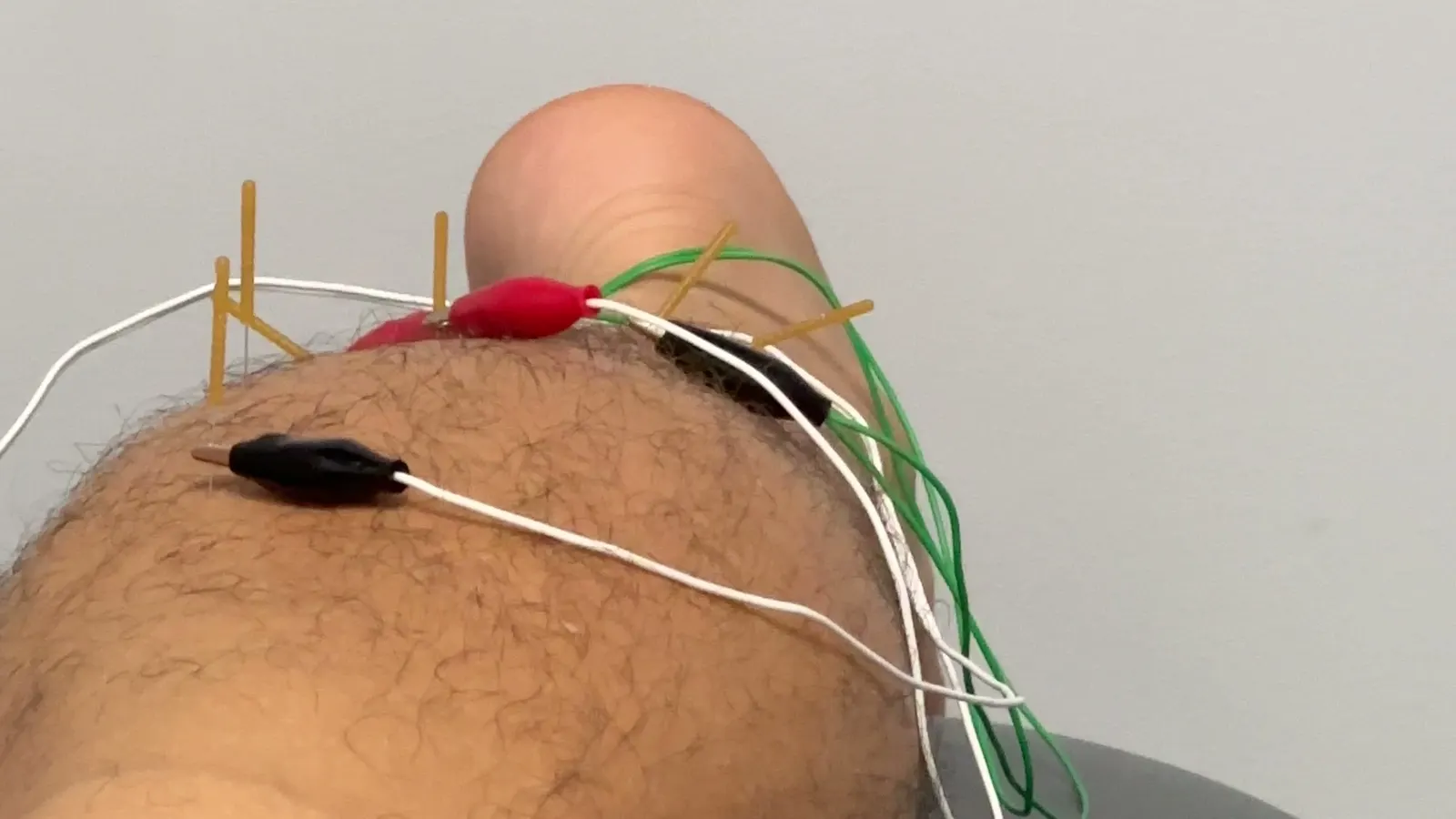
Dry needling is a treatment technique in which a physical therapist uses a thin, sterile needle to target specific areas of muscle and soft tissue. It may be used alongside other physical therapy interventions to help address pain, muscle tension, mobility limitations, and movement impairments.

Your physical therapist may use dry needling to address areas of muscular tension, trigger points, or other neuromusculoskeletal impairments identified during your evaluation.

Important: Dry needling is not a stand-alone treatment. Your physical therapist will determine whether it is appropriate based on your evaluation and goals.

Dry needling is sometimes referred to as:

Trigger point dry needling
Intramuscular therapy
Intramuscular stimulation
Functional dry needling
Biomedical dry needling

The specific terminology and techniques used can vary depending on the clinician’s training.

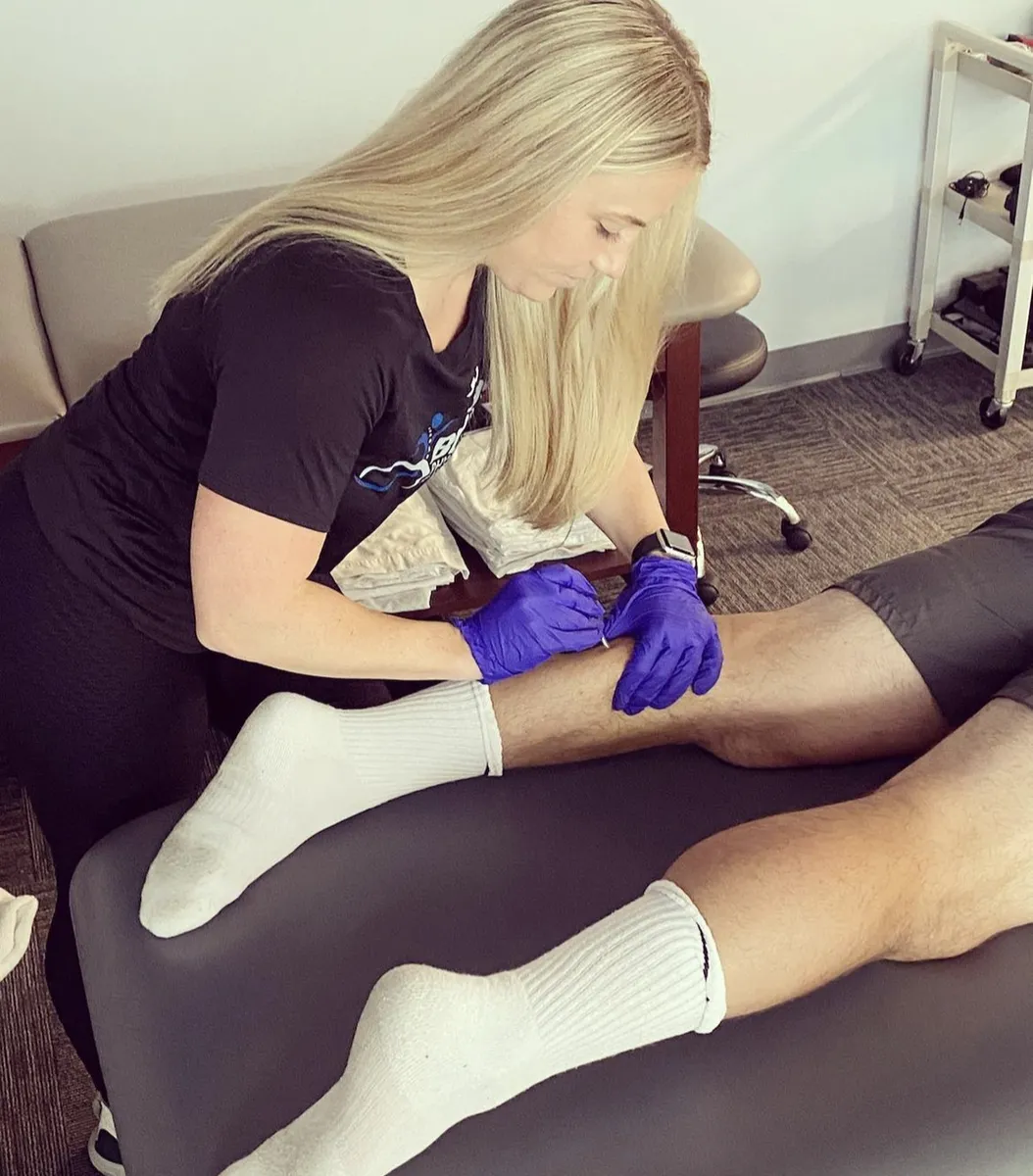
A Boston PT & Wellness physical therapist performing dry needling while wearing gloves

What Conditions May Dry Needling Help?

Dry needling may be incorporated into treatment for patients experiencing:

Muscle tightness
Myofascial pain
Muscle tension and trigger points
Sports and overuse injuries
Muscle strains
Tendon-related conditions
Neck pain Low back pain Shoulder pain Hip pain Knee pain
Tennis elbow
Headaches associated with musculoskeletal dysfunction
TMJ-related pain
Sciatic symptoms
Repetitive strain injuries
Movement restrictions
Chronic musculoskeletal pain
Post-traumatic musculoskeletal pain
Post-surgical musculoskeletal pain

Treatment is individualized based on your evaluation. Not every condition or patient is appropriate for dry needling. Your physical therapist will determine whether it is an appropriate component of your treatment.

Dry needling, guided by your physical therapy exam.

At Boston PT & Wellness, physical therapists use dry needling within the scope of physical therapy to address musculoskeletal and movement-related conditions.

Dry needling treatment is based on the physical therapist’s examination of your musculoskeletal system and is incorporated into an individualized rehabilitation plan.

Dry needling and acupuncture both use thin needles, but they are distinct practices. Physical therapy dry needling is not based on Traditional Chinese Medicine concepts such as qi, meridians, or acupuncture points.

What dry needling focuses on

Your musculoskeletal system
Movement
Pain
Function

Dry needling is one tool within a broader plan of hands-on care, exercise, and education.

How Can Dry Needling Help?

Potential Benefits

Depending on the condition being treated, dry needling may be used to help:

  • Reduce pain
  • Address muscle tension
  • Improve movement
  • Improve soft-tissue mobility
  • Address trigger points
  • Improve tolerance to movement
  • Support recovery from injury
  • Complement an exercise-based rehabilitation program

Dry Needling for Sports Injuries

Athletes may experience muscle tightness, overuse injuries, tendon problems, and other musculoskeletal conditions that affect training and performance.

When appropriate, dry needling may be incorporated into a sports rehabilitation program alongside:

  • Progressive strengthening
  • Mobility training
  • Manual therapy
  • Neuromuscular training
  • Movement retraining
  • Running or sport-specific rehabilitation
  • Return-to-sport training

Your physical therapist will determine whether dry needling is appropriate based on your symptoms, examination, medical history, and treatment goals.

For athletes, the goal is to address the factors contributing to the athlete’s limitations while progressively rebuilding the strength and physical capacity required for their sport.

Dry Needling as Part of Your Physical Therapy Plan

At BPTW, dry needling is integrated into a broader rehabilitation program. Dry needling should not replace active rehabilitation.

Your treatment may also include:

Therapeutic exercise
Progressive strengthening
Mobility work
Manual therapy
Neuromuscular re-education
Movement retraining
Balance training
Functional rehabilitation
Sport-specific rehabilitation

For example, dry needling may temporarily help address a muscle-related impairment while therapeutic exercise and progressive strengthening help you develop the capacity needed for long-term recovery. Our goal is not simply to treat a painful area—it is to help you restore movement and function.

What to Expect During Dry Needling

Your physical therapist will first evaluate your symptoms and determine whether dry needling is appropriate.

If used, your therapist will explain the procedure and what you may experience during and after treatment.

Dry needling is typically used as one component of a comprehensive treatment plan rather than as the sole intervention.

During Treatment

During treatment, a thin sterile needle is inserted into the targeted tissue using a specific technique based on the area being treated and your individual presentation.

You may experience:

  • A brief prick or sensation as the needle is inserted
  • Pressure or a twitching sensation
  • Temporary muscle soreness
  • Mild bruising or tenderness afterward

Does Dry Needling Hurt?

Everyone responds differently.

Some patients experience very little discomfort, while others may feel a brief prick, pressure, or muscle twitch response during treatment. Temporary soreness can occur afterward, similar to the sensation some people experience after exercise.

Your physical therapist will adjust the treatment based on your tolerance and clinical needs.

Is Dry Needling Safe?

Dry needling is generally considered a safe technique when performed by an appropriately trained and qualified healthcare professional using appropriate sterile procedures and clinical precautions.

As with any intervention involving needles, there are potential risks and side effects. These can include:

  • Temporary soreness
  • Minor bleeding
  • Bruising
  • Temporary discomfort

More serious complications are uncommon but can occur depending on the treatment area and individual circumstances. Your physical therapist will review relevant medical history and precautions before treatment.

Dry needling as part of your plan.

Dry needling may be incorporated into an individualized treatment plan when clinically appropriate.

Our Physical Therapists & Dry Needling

Physical therapists at Boston PT & Wellness who perform dry needling have completed specialized post-professional training in dry needling and manual therapy.

Our clinicians prioritize:

Patient safety
Evidence-informed practice
Appropriate clinical screening
Individualized treatment
Ongoing professional education

Dry needling is only recommended when it is clinically appropriate for the individual patient.

Find Dry Needling at a BPTW Location

Dry needling is available at all 7 Boston PT & Wellness locations.

What our patients say.

“I came in with a hamstring injury and got dry needling done and it instantly fixed it! Highly recommend this spot with great staff and a great atmosphere!”
Nicholas P. · Norwood

Frequently Asked Questions About Dry Needling

01 / What is dry needling in physical therapy?
Dry needling is a physical therapy technique that uses thin, sterile needles to target specific muscles and soft tissues as part of a broader rehabilitation program.
02 / Does dry needling hurt?
Patients may experience a brief sensation during treatment. Your physical therapist will explain what to expect and monitor your response throughout treatment.
03 / Is dry needling the same as acupuncture?
Although both techniques use thin needles, dry needling and acupuncture are based on different treatment frameworks and are performed for different clinical purposes.
04 / What does dry needling treat?
Dry needling may be used as part of treatment for various musculoskeletal conditions, including muscle pain and tension, sports injuries, neck and back pain, shoulder problems, tendon-related conditions, and other movement-related impairments.
05 / How long does a dry needling session take?
Treatment time varies depending on the area being treated and the overall physical therapy program. Dry needling is generally incorporated into a larger treatment session rather than performed as a standalone service.
06 / Will I be sore after dry needling?
Some patients experience temporary muscle soreness, tenderness, bruising, or minor bleeding after treatment. These effects typically resolve relatively quickly, but your physical therapist will discuss what to expect based on your treatment.
07 / Do I need physical therapy before receiving dry needling?
Your physical therapist will evaluate you first and determine whether dry needling is appropriate for your condition and goals.
08 / Do I need physical therapy if I’m getting dry needling?
Dry needling is generally most useful when incorporated into a comprehensive rehabilitation program. Exercise, strengthening, mobility work, and movement retraining may be important components of your recovery.
09 / Is dry needling right for everyone?
No. Your therapist will consider your medical history, symptoms, goals, and clinical presentation before recommending the technique.

Ready to See If Dry Needling Is Right for You?

Start with an individualized physical therapy evaluation.

If pain, muscle tension, or a movement limitation is keeping you from doing what you enjoy, dry needling may be an appropriate addition to your physical therapy program. Our physical therapists evaluate your individual needs and determine whether dry needling can complement your rehabilitation plan.

Prefer to call? (781) 874-9294

Ready to book now? Schedule online