7 clinics across Greater Boston

Specialized Concussion Physical Therapy in Boston

Concussion recovery isn’t one-size-fits-all. Boston Concussion Clinic provides individualized physical therapy and rehabilitation for athletes, active adults, students, and individuals recovering from concussion.

Concussion recovery requires an individualized approach.

Our approach focuses on understanding your symptoms, identifying the factors affecting your recovery, and progressively rebuilding your tolerance for school, work, exercise, and sport.

A concussion can affect much more than your head. Symptoms may involve balance, vision, movement, exercise tolerance, sleep, concentration, neck function, and the ability to participate in school, work, exercise, or sport.

Two people can experience very different symptoms after a concussion. That’s why rehabilitation should be based on your individual presentation rather than a one-size-fits-all protocol.

Our concussion clinicians evaluate your symptoms, physical function, activity tolerance, and goals to develop an individualized rehabilitation plan.

A specialty program of Boston PT & Wellness
Wakefield clinic and virtual access
Visit BostonConcussion.com →

Common concussion symptoms.

Concussion symptoms can vary significantly from person to person. Common symptoms may include:

Headache
Dizziness
Balance difficulties
Visual symptoms
Motion sensitivity
Sensitivity to light or noise
Difficulty concentrating
Fatigue
Exercise intolerance
Sleep disruption
Neck pain
Cognitive symptoms

If symptoms are interfering with your normal activities, exercise, school, work, or sport, a concussion evaluation can help determine which areas may benefit from rehabilitation.

Our concussion rehabilitation approach.

Concussion rehabilitation is individualized based on your symptoms, clinical findings, activity demands, and goals.

Concussion Evaluation

Your therapist will review your symptoms and history and perform appropriate physical assessments based on your presentation. Assessment may include relevant areas such as:

  • Balance
  • Vestibular function
  • Visual function
  • Oculomotor function
  • Cervical function
  • Exercise tolerance
  • Movement
  • Functional activity tolerance

Vestibular Rehabilitation

Vestibular rehabilitation may be appropriate for individuals experiencing dizziness, balance difficulties, motion sensitivity, or other vestibular-related symptoms.

Treatment may include individualized exercises designed to improve tolerance to movement and visual motion.

Learn about vestibular rehabilitation →

Visual & Oculomotor Rehabilitation

Some individuals experience visual symptoms or difficulty tolerating visual environments following concussion. Depending on your presentation, rehabilitation may incorporate exercises addressing:

  • Eye movements
  • Visual tracking
  • Gaze stabilization
  • Visual motion tolerance
  • Coordination between vision and movement

Cervical Rehabilitation

Neck pain and cervical dysfunction can occur following concussion and may contribute to symptoms such as headache or discomfort with movement. When appropriate, treatment may address:

  • Cervical mobility
  • Strength
  • Postural control
  • Movement coordination
  • Manual therapy
  • Therapeutic exercise

Graded Exercise

Exercise progression can be an important component of concussion rehabilitation.

When clinically appropriate, your therapist may develop a gradual exercise progression based on your symptoms, exercise tolerance, and response to activity.

Balance & Neuromuscular Training

Rehabilitation may incorporate balance and movement training to address deficits identified during your evaluation.
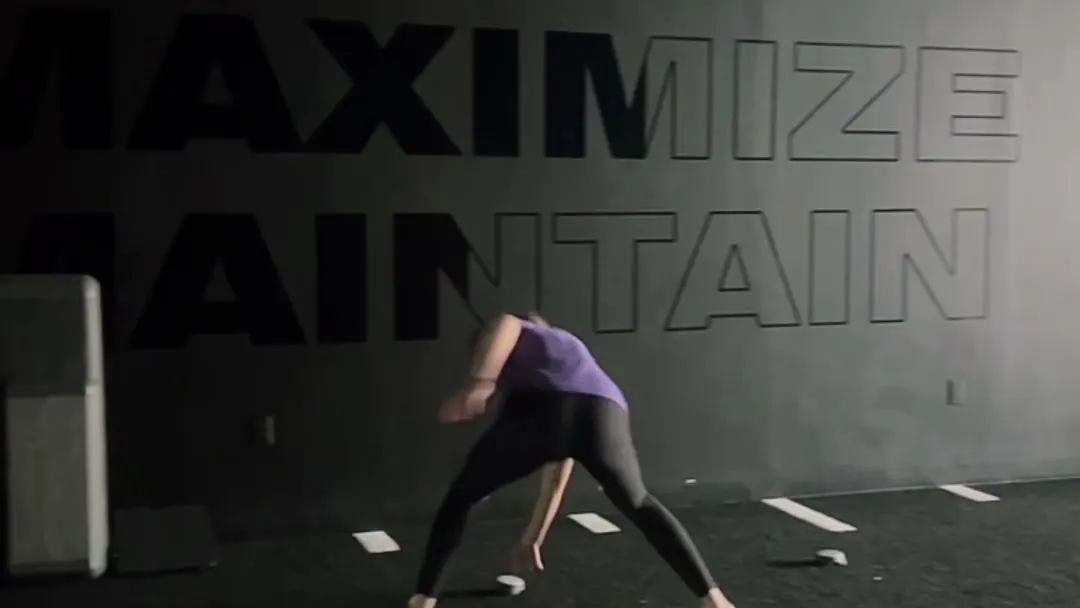
Return to school, work, exercise & sport.

Returning to normal activity should be individualized. Our clinicians can help guide progression based on your symptoms, physical tolerance, functional demands, and recovery goals.

Return to Learn

Support for students working toward increased tolerance for academic and cognitive demands.

Return to Work

Individualized progression based on occupational and physical demands.

Return to Exercise

Gradual progression of physical activity based on tolerance and clinical findings.

Return to Sport

Progressive rehabilitation designed around the physical demands of your sport and your stage of recovery.

Return to sport after concussion.

Returning to sport should be a progression rather than a single clearance event.

The progression should be individualized and coordinated with the appropriate healthcare professionals involved in your care.

Depending on your presentation and goals, rehabilitation may incorporate:

Progressive cardiovascular exercise
Balance and coordination
Strength and conditioning
Dual tasking
Sport-specific movement
Increasing physical demands
Gradual exposure to activity
Monitoring of symptom response

Concussion care for athletes, students & active individuals.

Boston Concussion Clinic works with individuals across activity levels and stages of life.

Youth Athletes

Concussion rehabilitation designed around the needs of young athletes and their return to normal activity and sport.

High School & College Athletes

Support for athletes navigating recovery while balancing academic and athletic demands.

Recreational Athletes

Individualized rehabilitation for active adults who want to safely return to exercise and recreational activities.

Active Adults

Treatment designed around work, exercise, family responsibilities, and everyday activity.

Students

Support for physical symptoms and activity tolerance that may affect academic participation.

Working Adults

Rehabilitation focused on symptoms and physical tolerance that may interfere with occupational demands.

Our concussion specialists.

Our concussion team includes clinicians with specialized experience in concussion rehabilitation, vestibular rehabilitation, exercise progression, and return-to-activity care.

Meet All Our Providers →

Specialized care within Boston PT & Wellness.

Boston Concussion Clinic combines specialized concussion rehabilitation with the broader resources of Boston PT & Wellness.

Individualized Care

Your rehabilitation plan is built around your symptoms, activity level, clinical findings, and goals.

Active Rehabilitation

Our approach emphasizes appropriate movement, exercise, and progressive exposure to activity when clinically indicated.

Sports & Performance Experience

Our broader BPTW team brings extensive experience working with athletes and active individuals.

Progressive Return to Activity

The goal isn’t simply to reduce symptoms. It’s to help you progressively return to the activities that matter to you.

Frequently asked questions about concussion rehabilitation.

01 / What is a concussion?
A concussion is a type of mild traumatic brain injury that can temporarily affect how the brain functions. Symptoms can vary widely between individuals.
02 / Can physical therapy help concussion symptoms?
Physical therapy can address certain physical symptoms associated with concussion, including dizziness, balance difficulties, visual symptoms, exercise intolerance, and some neck-related symptoms.
03 / How long does concussion recovery take?
Recovery varies from person to person. Your rehabilitation plan should be based on your symptoms, clinical findings, response to activity, and progression.
04 / When should I start physical therapy after a concussion?
The appropriate timing depends on your individual presentation. Your healthcare team can help determine when evaluation and rehabilitation are appropriate.
05 / Can I exercise after a concussion?
Exercise recommendations depend on your symptoms and stage of recovery. When appropriate, a clinician can develop an individualized progression back to physical activity.
06 / When can I return to sports after a concussion?
Return to sport should be gradual and appropriately progressed based on your symptoms, clinical findings, physical tolerance, and the demands of your sport.
07 / Can you help with return to school or work?
Physical therapy can address physical symptoms and activity tolerance that may affect school or work participation. Coordination with other members of your healthcare team may be appropriate depending on your individual situation.
08 / Do I need a referral for concussion physical therapy in Massachusetts?
Massachusetts allows direct access to physical therapy in many circumstances, although insurance requirements can vary. Our team can help you understand what is needed before your evaluation.
More Frequently Asked Questions →

Ready to begin your concussion recovery?

You don’t have to navigate concussion recovery alone.

If symptoms are keeping you from school, work, exercise, sport, or the activities you enjoy, our concussion team can help you develop an individualized path forward.

Prefer to call? (781) 874-9294

Ready to book now? Schedule online