
7 clinics across Greater Boston

Running & Gait Analysis

Experiencing pain while running or dealing with a recurring running injury? Running physical therapy and gait analysis can help identify the factors contributing to your symptoms and create a plan to get you back to running.

Running Injuries We Treat

At Boston PT & Wellness, our physical therapists work with runners of all levels—from recreational runners to competitive athletes. We evaluate running-related injuries, assess movement and running mechanics, and develop individualized rehabilitation programs designed to help you recover, return to running, and continue training with confidence.

Running injuries are often related to repetitive stress and changes in training load rather than one specific traumatic event. Repeated loading can place stress on muscles, tendons, joints, and other tissues over time.

Common running injuries that may benefit from physical therapy include:

Calf strains
Plantar fasciitis and heel pain
Achilles tendon pain
Hip pain and bursitis
Iliotibial band syndrome (IT band pain)
Patellofemoral pain syndrome (runner’s knee)
Shin splints
Hamstring strains
Tibialis posterior tendinopathy
Ankle and foot pain
Knee pain
Hip and pelvic pain
Running-related overuse injuries

If pain is affecting your ability to run, a physical therapy evaluation can help determine what may be contributing to the problem.

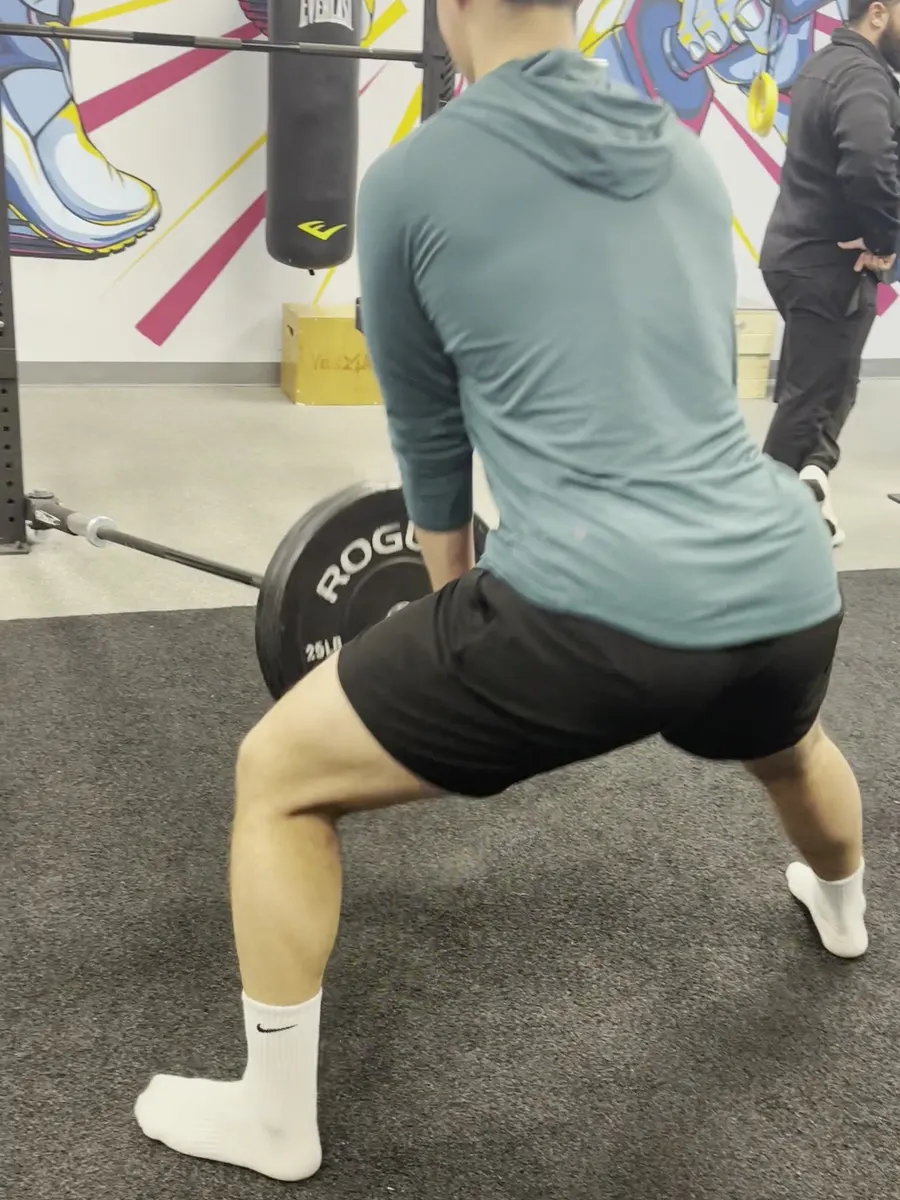
A patient performing a step-up exercise in front of the Boston Physical Therapy & Wellness mural

What Is a Running Gait Analysis?

A running gait analysis is an assessment of how your body moves while you run. A physical therapist evaluates your running mechanics, movement patterns, strength, mobility, and other factors that may contribute to pain or limit performance.

A gait analysis may examine:

Foot and ankle mechanics
Knee alignment and movement
Hip and pelvic control
Stride and cadence
Running posture
Single-leg stability
Ground contact and shock absorption
Strength and endurance
Mobility and flexibility
Running technique

The goal is not to identify a single “perfect” running form. Instead, your physical therapist looks at your individual movement patterns and determines whether specific factors may be contributing to your symptoms or affecting your ability to tolerate your current training load.

What Happens During a Running Physical Therapy Evaluation?

Your running rehabilitation begins with a comprehensive physical therapy evaluation.

Your physical therapist will first discuss your symptoms, training history, and goals. This helps us understand how your current running routine may relate to your symptoms. Your evaluation may include:

Medical and Running History

We will discuss:

  • Your current symptoms
  • When your symptoms began
  • What makes your symptoms better or worse
  • Your current running volume and frequency
  • Recent changes in mileage, speed, terrain, or training
  • Previous running injuries
  • Previous treatment
  • Your upcoming races or performance goals

Strength and Endurance Assessment

Your physical therapist may assess the strength and endurance of your calves, feet and ankles, quadriceps, hamstrings, glutes, hips, and core.

Identifying strength or endurance deficits can help guide your rehabilitation and return-to-running program.

Mobility and Flexibility Assessment

We may evaluate mobility throughout the foot, ankle, knee, hip, and pelvis to determine whether limitations could be affecting your running mechanics or ability to tolerate training.

Running Gait Analysis

Your physical therapist will observe and analyze your running mechanics to identify movement patterns that may be relevant to your symptoms or performance.

Footwear and Orthotic Assessment

When appropriate, we may also discuss your running shoes, footwear history, and use of orthotics or other inserts.

How Can Physical Therapy Help Runners?

Physical therapy can help runners recover from injury, improve physical capacity, and safely return to training. Your treatment program may focus on:

Improve Running Mechanics

Your physical therapist may identify movement strategies that can be modified to improve your ability to tolerate running.

Build Strength

Progressive strengthening of the feet, calves, quadriceps, hamstrings, glutes, and core can help improve your ability to handle the demands of running.

Improve Mobility

Addressing relevant mobility restrictions can help improve movement efficiency and restore comfortable running mechanics.

Improve Single-Leg Stability

Running requires repeated single-leg loading. Balance, coordination, and hip and lower-extremity control can therefore be important components of rehabilitation.

Improve Shock Absorption

Your physical therapist may assess how your body manages repeated impact and loading during running and develop exercises to improve strength and control.

Develop a Return-to-Running Program

Returning to running after an injury should be progressive. Your physical therapist can help determine appropriate changes to running frequency, duration, distance, intensity, and recovery based on your symptoms and current capacity.

Running Injury Prevention

While not every running injury can be prevented, physical therapy can help identify factors that may increase your risk of developing or repeating an injury.

A running injury prevention program may address:

Strength deficits
Mobility limitations
Running mechanics
Training volume
Training intensity
Recovery
Running surface and terrain
Footwear
Conditioning
Previous injury history

Training load is an especially important consideration for runners. Sudden increases in mileage, intensity, frequency, or other training demands can exceed the body’s current capacity to adapt.

Returning to Running After an Injury

One of the most important goals of running physical therapy is helping you return to running safely and confidently.

Your physical therapist can help you progress through stages of rehabilitation that may include:

Managing symptoms and restoring comfortable movement

Rebuilding strength and endurance

Improving running-specific movement and control

Introducing a gradual return to running

Progressing mileage and duration

Reintroducing speed, hills, or other training demands

Returning to your normal training program

Your progression will depend on your injury, symptoms, training history, and goals.

When Should a Runner See a Physical Therapist?

Consider seeing a physical therapist if you:

Have pain during or after running
Keep experiencing the same running injury
Have recently increased your mileage or training intensity
Are preparing for a race
Are returning to running after an injury or surgery
Have pain that is changing your running form
Feel weaker on one side
Have recurring knee, hip, foot, ankle, or lower-leg pain
Want to improve your running mechanics
Want an individualized return-to-running program

You do not necessarily need to stop running completely. Your physical therapist can help determine what level of activity is appropriate based on your symptoms and individual situation.

What our patients say.

“I worked with Amanda on two different occasions. Amazing to work with. I'm back to running after being out of it for almost 1.5 years! Just overall great team. Can't recommend them enough.”
Isaac · Medford

Frequently Asked Questions About Running Physical Therapy & Gait Analysis

01 / What is a running gait analysis?
A running gait analysis evaluates how your body moves while running. A physical therapist may assess your foot, ankle, knee, hip, pelvis, posture, stride, strength, stability, and overall running mechanics to identify factors relevant to pain or performance.
02 / Can physical therapy help with running injuries?
Yes. Physical therapy can help runners address pain and physical limitations while rebuilding strength, mobility, endurance, and running tolerance. Your physical therapist can also develop a progressive return-to-running program.
03 / What are the most common running injuries?
Common running injuries include plantar fasciitis, Achilles tendon pain, shin splints, runner’s knee, IT band syndrome, calf strains, hamstring strains, and hip or foot and ankle pain.
04 / Should I stop running if I have pain?
It depends on the type and severity of your symptoms. Some runners may be able to continue modified running while addressing the underlying issue, while others may need a temporary reduction or pause in running. A physical therapist can help determine an appropriate approach based on your evaluation.
05 / Can gait analysis prevent running injuries?
A gait analysis can provide useful information about your running mechanics and movement patterns. When combined with an assessment of strength, mobility, training load, and other factors, it can help identify areas that may be appropriate to address as part of an individualized injury prevention or performance program.
06 / Can physical therapy improve running performance?
Yes. Physical therapy can help runners improve strength, mobility, coordination, running mechanics, endurance, and overall physical capacity. These factors can contribute to improved running efficiency and performance.

Get Back to Running With Boston PT & Wellness

Don’t let running pain keep you on the sidelines.

Whether you’re dealing with a current injury, returning to running after surgery, preparing for your next race, or looking to improve your running mechanics, Boston PT & Wellness can help you build a personalized plan around your goals.

Our physical therapists combine running injury rehabilitation, gait analysis, strength training, and individualized return-to-running programs to help you get back to doing what you love.

Contact Boston PT & Wellness to schedule a running physical therapy evaluation or gait analysis.

Prefer to call? (781) 874-9294

Ready to book now? Schedule online