
7 clinics across Greater Boston

Instrument Assisted Soft Tissue Mobilization (IASTM)

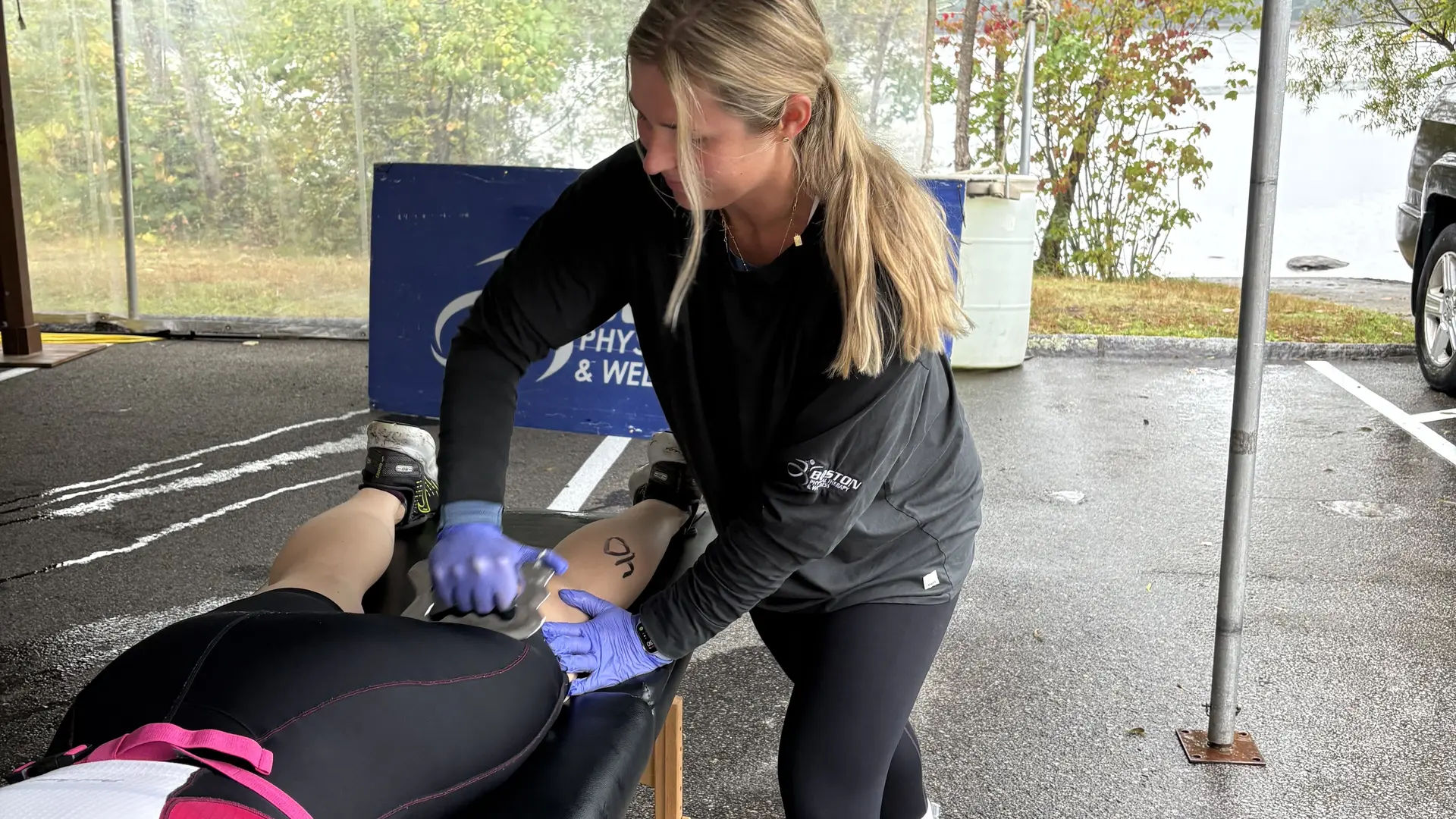
Instrument Assisted Soft Tissue Mobilization (IASTM) is a hands-on physical therapy technique that uses specialized instruments to address soft-tissue mobility and movement restrictions.

What Is IASTM?

At Boston PT & Wellness, our physical therapists may incorporate IASTM into an individualized rehabilitation program when appropriate for your condition, symptoms, and goals. IASTM can be used alongside therapeutic exercise, mobility training, strengthening, manual therapy, and movement retraining to help restore function and support your recovery.

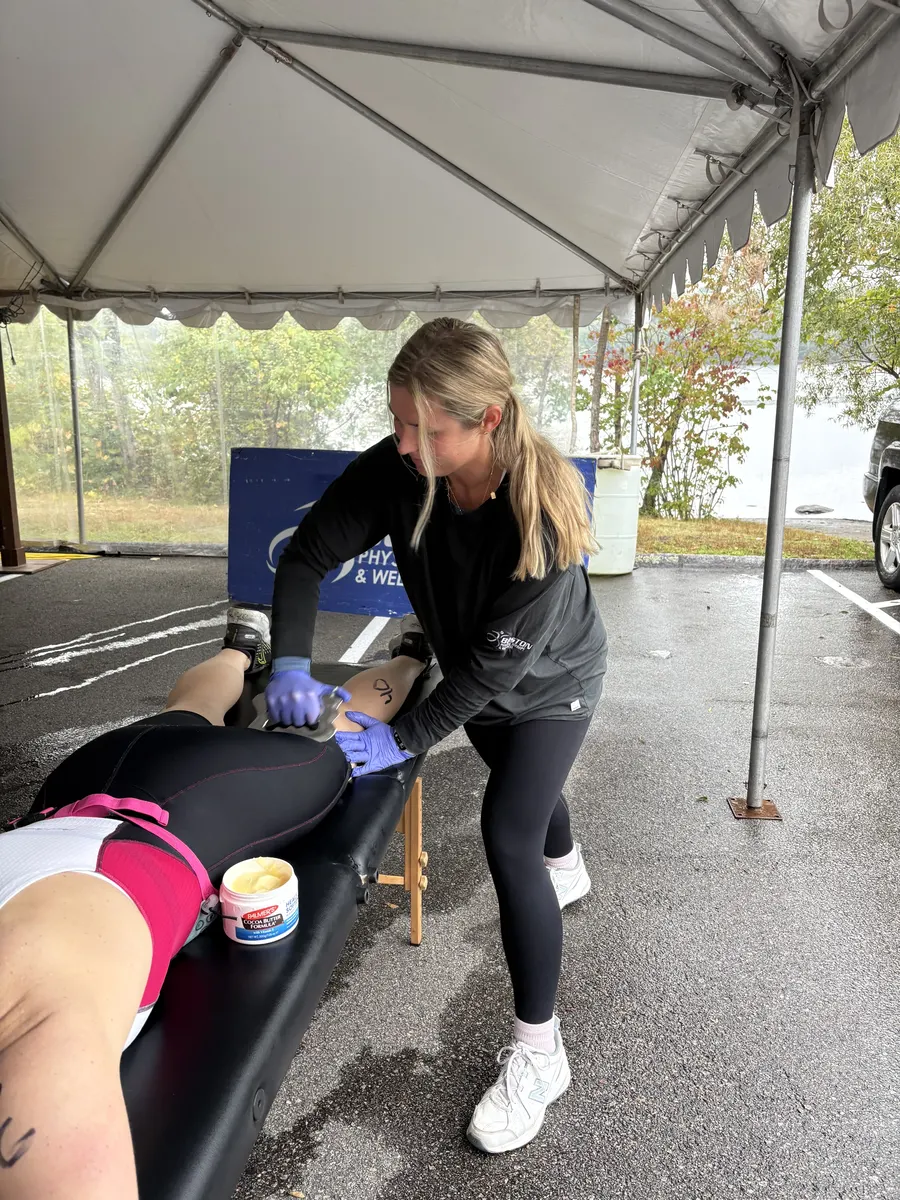
Instrument Assisted Soft Tissue Mobilization is a manual therapy technique in which a physical therapist uses specialized handheld instruments to assess and treat areas of soft-tissue restriction.

The instruments allow the therapist to apply targeted pressure and mobilization to areas such as:

Muscles
Tendons
Ligaments
Fascia
Scar tissue
Other soft tissues

IASTM may be used when soft-tissue restrictions are contributing to pain, stiffness, reduced mobility, or difficulty moving normally.

Your physical therapist will determine whether IASTM is appropriate based on your evaluation and rehabilitation goals.

A physical therapist performing hands-on soft tissue treatment on a patient’s neck

How Does IASTM Work?

During IASTM treatment, your physical therapist uses a specialized instrument along the surface of the skin over the area being treated.

The technique can provide a mechanical stimulus to the underlying tissues and may be used to:

Improve soft-tissue mobility
Improve range of motion
Reduce feelings of stiffness
Address areas of soft-tissue restriction
Improve tolerance to movement
Complement an active rehabilitation program

IASTM is generally used as one component of a broader physical therapy program rather than as a standalone treatment.

What Can IASTM Help With?

IASTM may be incorporated into physical therapy for a variety of musculoskeletal conditions involving soft-tissue mobility or movement restrictions.

Depending on the individual patient, it may be used as part of rehabilitation for:

Muscle strains
Tendon injuries
Tendinopathy
Ligament sprains
Joint stiffness
Sports injuries Running-related injuries Neck and back pain Shoulder pain
Elbow pain
Wrist and hand conditions
Hip pain Knee pain Ankle and foot pain
Plantar heel pain
Scar tissue restrictions
Post-surgical mobility restrictions

IASTM is not appropriate for every condition. Your physical therapist will determine whether it is a good fit for your individual presentation.

Common IASTM Techniques & Tools

There are several approaches to instrument-assisted soft tissue treatment, and different clinicians may use different instruments and techniques.

Examples Include

The specific technique and amount of pressure used will depend on the area being treated, your symptoms, tissue sensitivity, and treatment goals.

  • Specialized stainless-steel instruments
  • Ergonomically designed soft-tissue tools
  • Different instrument shapes designed to address specific treatment areas

What to Expect During IASTM Treatment

Before treatment, your physical therapist will assess your symptoms and movement and determine whether IASTM is appropriate.

You may be asked to perform light movement or exercise before treatment to prepare the area.

During treatment, your physical therapist will apply a specialized instrument to the skin and use controlled strokes over the targeted area. You may experience:

  • Pressure
  • Stretching
  • Mild discomfort
  • Temporary tenderness

Some patients may develop temporary redness or discoloration of the skin following treatment. Your physical therapist will discuss what to expect and modify the treatment based on your response.

Does IASTM Hurt?

IASTM should be appropriately dosed to your individual tolerance.

Some patients experience mild discomfort or pressure during treatment, particularly when an area is sensitive. More aggressive treatment is not necessarily better, and your physical therapist will adjust the technique based on your symptoms and response.

If you experience significant or unexpected pain, let your therapist know so treatment can be modified.

IASTM and Scar Tissue

IASTM may be incorporated into rehabilitation when scar tissue or reduced soft-tissue mobility is contributing to restricted movement.

This may include scars associated with:

Orthopedic surgery Sports injuries
Traumatic injuries
Other procedures

Your physical therapist can determine whether soft-tissue mobilization is appropriate based on the stage of healing and the specific characteristics of the tissue.

IASTM as Part of Your Physical Therapy Program

Hands-on treatment is only one part of effective rehabilitation.

At Boston PT & Wellness, IASTM may be combined with:

Therapeutic exercise
Progressive strengthening
Stretching
Joint mobility exercises
Neuromuscular training
Movement retraining
Balance training
Functional rehabilitation
Sport-specific training

The goal is to use hands-on treatment when appropriate while helping you develop the strength, mobility, control, and capacity needed for long-term function.

Frequently Asked Questions About IASTM

01 / What does IASTM stand for?
IASTM stands for Instrument Assisted Soft Tissue Mobilization. It is a physical therapy technique that uses specialized handheld instruments to assess and treat soft-tissue mobility restrictions.
02 / What is IASTM used for?
IASTM may be used as part of physical therapy for soft-tissue restrictions, stiffness, mobility limitations, sports injuries, tendon problems, muscle injuries, and scar tissue restrictions.
03 / Is IASTM the same as massage?
No. While both involve working with soft tissues, IASTM uses specialized instruments and is performed by a trained healthcare professional as part of a physical therapy evaluation and treatment plan.
04 / Will I bruise after IASTM?
Temporary redness, tenderness, or discoloration can occur after treatment. Significant bruising is not required for IASTM to be effective. Your physical therapist will adjust treatment intensity based on your individual response.
05 / How many IASTM treatments will I need?
There is no standard number of treatments. The appropriate frequency depends on your condition, symptoms, rehabilitation goals, and response to treatment.
06 / Can IASTM be used after surgery?
IASTM may be incorporated into some post-surgical rehabilitation programs when appropriate. Timing and technique depend on the procedure, stage of healing, tissue status, and your surgeon’s or medical team’s recommendations.
07 / Is IASTM used by itself?
Usually, IASTM is incorporated into a comprehensive physical therapy program. Your treatment may also include exercise, strengthening, mobility work, neuromuscular training, and functional or sport-specific rehabilitation.

Try IASTM at Boston PT & Wellness

If pain, stiffness, or soft-tissue restrictions are limiting your movement, IASTM may be one component of a personalized physical therapy program designed to help you move better and return to the activities you enjoy.

At Boston PT & Wellness, our physical therapists evaluate your individual needs and select treatment techniques based on your condition, goals, and response to care.

Contact Boston PT & Wellness to learn more about IASTM or schedule a physical therapy evaluation.

Prefer to call? (781) 874-9294

Ready to book now? Schedule online