
7 clinics across Greater Boston

Heat, Ice & Electrical Stimulation in Physical Therapy

Heat therapy, cold therapy, and electrical stimulation are treatment techniques that may be used as part of a comprehensive physical therapy program to help manage pain, improve comfort, and support rehabilitation.

Heat Therapy

At Boston PT & Wellness, our physical therapists select treatment techniques based on your symptoms, condition, goals, and response to care. These modalities are typically used alongside active rehabilitation, such as therapeutic exercise, progressive strengthening, mobility training, and movement retraining.

Heat therapy uses a warm pack or other controlled source of heat to increase comfort and help relax tight or guarded muscles.

A physical therapist may recommend heat as part of treatment for certain conditions involving:

Chronic or persistent muscle pain
Muscle tightness
Joint stiffness
Reduced mobility
Musculoskeletal pain

Heat can be particularly useful before exercise or movement when stiffness or muscle tension is limiting comfortable movement.

Heat is not appropriate for every injury or condition. Your physical therapist can determine whether heat is appropriate based on your symptoms and stage of recovery.

A physical therapist treating a patient on a treatment table

Cold Therapy & Cryotherapy

Cold therapy, also called cryotherapy, uses cold temperatures to help reduce pain and manage swelling.

Cold therapy may be used following an acute injury or during periods when pain and inflammation are contributing to difficulty moving or exercising.

Common Forms of Cold Therapy

A physical therapist can recommend an appropriate method, duration, and frequency based on your condition.

  • Cold packs
  • Ice packs
  • Ice massage
  • Other controlled cooling techniques

Where Cold Therapy May Help

Cold therapy may be incorporated into rehabilitation for conditions such as:

  • Acute sprains and strains
  • Sports injuries
  • Joint injuries
  • Muscle injuries
  • Post-exercise soreness
  • Pain and swelling following certain procedures

Heat vs. Ice: Which Should I Use?

The decision to use heat or cold depends on your symptoms, injury, and rehabilitation goals.

Heat may be useful when stiffness or muscle tightness is limiting comfortable movement.
Cold may be useful when pain or swelling is present, particularly following an acute injury or activity.

There is no universal rule that heat is always better for chronic pain or ice is always better for acute injuries. Your physical therapist can help determine which approach is most appropriate for your specific situation.

Electrical Stimulation in Physical Therapy

Electrical stimulation, or e-stim, uses controlled electrical currents delivered through electrodes placed on the skin.

Different forms of electrical stimulation have different purposes. Depending on the type used, electrical stimulation may be incorporated into physical therapy to help with pain management, muscle activation, or neuromuscular training.

Electrical stimulation is generally considered an adjunct to an active rehabilitation program, rather than a replacement for exercise or movement-based treatment.

There are several forms of electrical stimulation used in physical therapy.

TENS

Transcutaneous electrical nerve stimulation (TENS) uses low-voltage electrical currents delivered through electrodes placed on the skin. It is primarily used for pain management.

The sensation may feel like tingling or pulsing and is generally adjusted to a comfortable level.

NMES

Neuromuscular electrical stimulation (NMES) uses electrical stimulation to activate muscles. It may be incorporated into rehabilitation when improving muscle activation or strength is an important treatment goal.

NMES may be used alongside voluntary muscle contractions and therapeutic exercise.

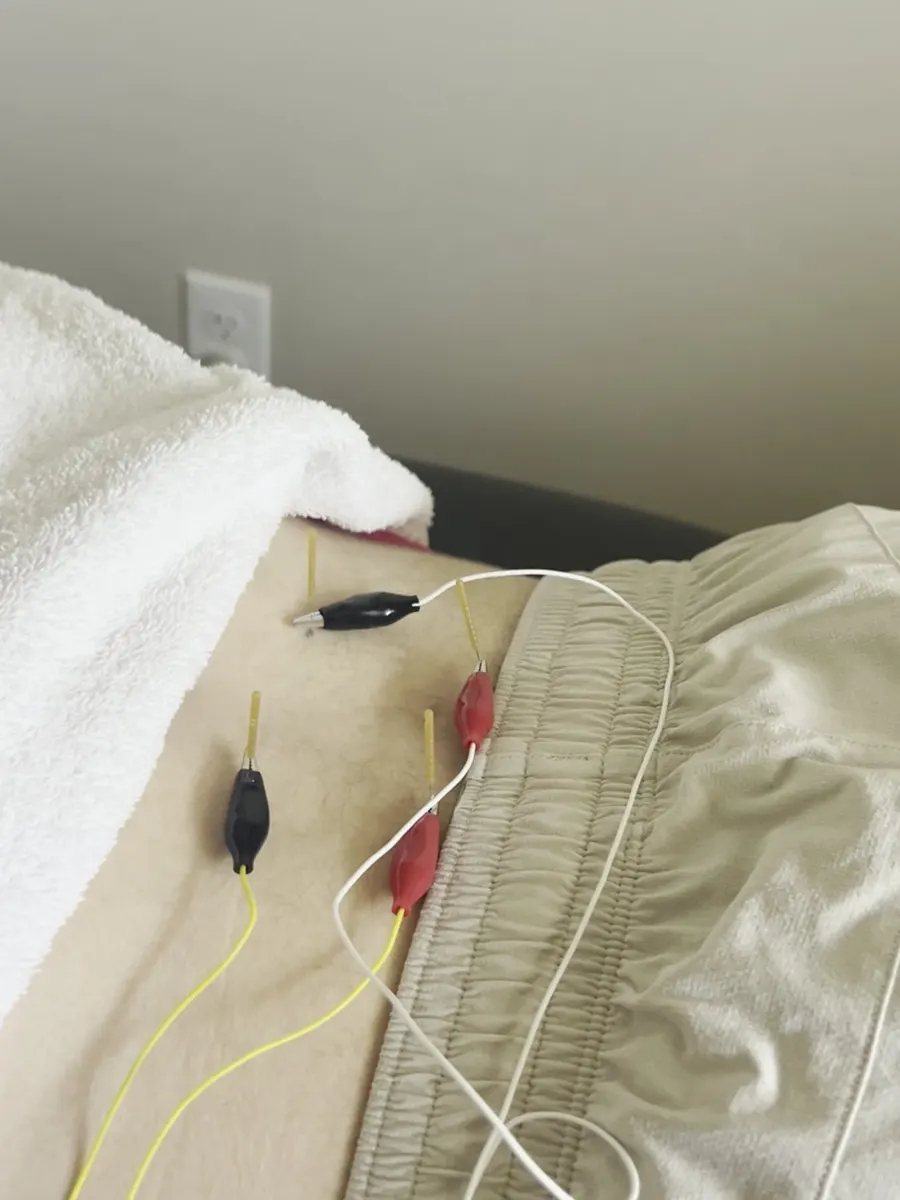
Microcurrent Electrical Neuromuscular Stimulation (MENS)

Microcurrent electrical stimulation, sometimes referred to as MENS, uses very low-intensity electrical currents.

Because the current is very low, patients may feel little or no sensation during treatment.

At Boston PT & Wellness, microcurrent may be incorporated into a broader rehabilitation program when your physical therapist determines that it is appropriate.

What Is a Microcurrent Treatment Like?

Microcurrent treatment is generally passive.

Your physical therapist places electrodes on or around the area being treated. A conductive medium, such as water or gel, may be used to facilitate contact between the electrodes and skin.

Because the electrical current is very low, microcurrent treatment typically produces little or no noticeable sensation.

Treatment duration and frequency vary depending on the individual’s condition and rehabilitation plan.

What Conditions May Be Treated With Electrical Stimulation?

Electrical stimulation may be incorporated into physical therapy for a variety of conditions, depending on the type of stimulation and the patient’s individual needs.

Examples may include:

Neck pain Back pain
Musculoskeletal pain
Certain arthritis-related pain
Muscle weakness or impaired activation
Some nerve-related conditions
Sprains and strains
Post-surgical rehabilitation

Your physical therapist will determine whether electrical stimulation is appropriate based on your evaluation.

Heat, Ice & Electrical Stimulation as Part of Rehabilitation

Modalities such as heat, cold, and electrical stimulation are typically most useful when combined with active rehabilitation.

Depending on your condition, your physical therapy program may also include:

Therapeutic exercise
Progressive strengthening
Manual therapy
Neuromuscular training
Mobility exercises
Balance and coordination training
Functional movement training
Patient education
Home exercise programs

For example, heat may be used to help improve comfort before mobility exercises, while cold therapy may be used following treatment or exercise when appropriate.

Electrical stimulation may also be paired with therapeutic exercise to support muscle activation or pain management.

Frequently Asked Questions About Heat, Ice & Electrical Stimulation

01 / Is heat or ice better for an injury?
It depends on the injury, symptoms, and stage of recovery. Cold therapy may be useful for managing pain and swelling following some acute injuries, while heat may help with stiffness or muscle tightness. Your physical therapist can help determine which is appropriate for you.
02 / Should I use heat or ice for chronic pain?
Either may provide symptom relief depending on the individual and condition. Heat may be helpful for stiffness and muscle tension, while cold may provide temporary pain relief for some people. Your physical therapist can recommend an approach based on your specific symptoms.
03 / What does electrical stimulation feel like?
The sensation depends on the type and intensity of electrical stimulation. TENS may feel like tingling or pulsing, while some forms of microcurrent may produce little or no noticeable sensation. Your therapist will adjust the treatment to an appropriate level.
04 / Does electrical stimulation hurt?
Electrical stimulation should be appropriately dosed and adjusted to your comfort level. Some forms produce a noticeable tingling or muscle contraction, while others may produce little sensation.
05 / What is microcurrent electrical stimulation?
Microcurrent electrical stimulation uses very low-intensity electrical currents delivered through electrodes placed on the skin. It may be used as an adjunctive treatment within a comprehensive physical therapy program.
06 / Can heat, ice, or electrical stimulation replace exercise?
Generally, these treatments are considered complementary tools rather than replacements for active rehabilitation. Exercise, progressive strengthening, movement training, and education are important components of many physical therapy programs.
07 / How often should I use heat or ice?
The appropriate duration and frequency depend on the treatment, body region, skin sensitivity, medical history, and condition being treated. Your physical therapist can provide individualized instructions rather than relying on a one-size-fits-all schedule.

Personalized Physical Therapy at Boston PT & Wellness

Heat, cold therapy, and electrical stimulation can be useful tools—but your rehabilitation should be about more than passive treatments.

At Boston PT & Wellness, our physical therapists use these modalities selectively and combine them with individualized exercise, movement training, manual therapy, and education to help you achieve your functional goals.

Whether you’re recovering from an injury, managing pain, or working to restore strength and mobility, we’ll develop a treatment plan based on your condition, your goals, and your needs.

Contact Boston PT & Wellness to schedule a physical therapy evaluation and learn which treatment options may be appropriate for you.

Prefer to call? (781) 874-9294

Ready to book now? Schedule online