
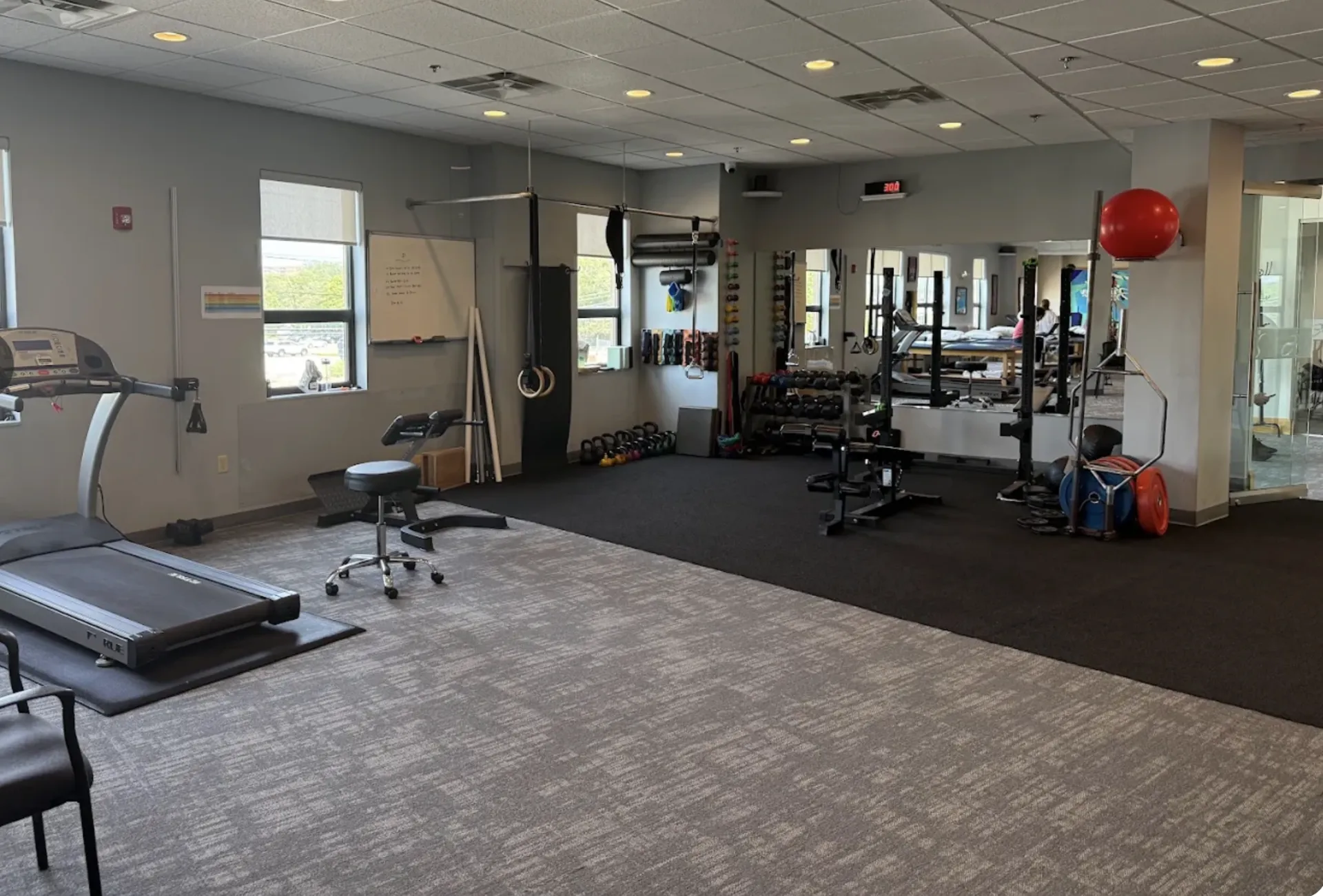
Wondering if you need physical therapy? Persistent pain, recurring injuries, weakness, stiffness, or difficulty returning to your normal activities may be signs that it’s time to see a physical therapist.
At Boston PT & Wellness, our physical therapists work with athletes, active adults, and individuals of all activity levels to address pain, injuries, movement limitations, and performance goals.
If you’re wondering “Do I need physical therapy?”, here are seven signs that it may be time to see a PT.
1. Your Pain Isn’t Going Away
Occasional soreness after a workout or activity is common. However, pain that persists, repeatedly returns, or interferes with your daily activities may warrant an evaluation.
A physical therapist can assess factors such as:
- Strength
- Mobility
- Joint movement
- Muscle function
- Balance
- Movement patterns
- Activity tolerance
Rather than simply treating the painful area, your physical therapist can look at the bigger picture to determine what may be contributing to your symptoms.
Learn more about Orthopedic Physical Therapy →
2. An Injury Is Keeping You From Doing What You Love
Maybe you can’t run because of knee pain. Maybe shoulder pain is preventing you from lifting. Maybe an ankle injury has made it difficult to play soccer.
Or perhaps you’re avoiding activities because you’re worried about making the injury worse.
Physical therapy can help you progressively restore the strength, mobility, coordination, and confidence needed to return to the activities you enjoy.
Your rehabilitation should be based on what you want to get back to doing, not simply whether your pain has decreased.
Learn more about Sports Physical Therapy →
3. You Feel Weak, Stiff, or Limited
You don’t necessarily need to be in pain to benefit from physical therapy.
Difficulty with activities such as squatting, running, jumping, lifting, reaching, walking, getting up from a chair, or climbing stairs can indicate limitations in strength, mobility, coordination, or movement capacity.
A physical therapist can identify these limitations and develop a plan to address them.
The goal isn’t simply to make movement easier today. It’s to help you build the capacity and confidence to keep doing the things that matter to you.
4. You Keep Getting the Same Injury
If the same injury continues to come back, simply resting until it feels better may not address the factors contributing to the problem.
Recurring injuries may be influenced by:
- Training volume
- Strength deficits
- Mobility limitations
- Recovery
- Movement mechanics
- Sudden changes in activity
- Inadequate progression back to sport
Physical therapy can help identify areas that may need to be addressed and gradually build your ability to tolerate the activities you enjoy.
5. You’re Returning to Exercise or Sport After an Injury
Returning to activity isn’t always as simple as waiting until your pain is gone.
Your body may need to rebuild:
Strength → Mobility → Control → Capacity → Sport-Specific Demands
A physical therapist can progressively expose you to the demands of your sport or activity while monitoring your response.
This can be particularly important for athletes returning after:
- ACL reconstruction
- Meniscus injuries
- Ankle injuries
- Shoulder injuries
- Muscle strains
- Tendon injuries
- Fractures
- Other orthopedic injuries
The goal is to help you return to your activity with the strength, control, and confidence needed to participate safely.
Learn more about Sports Physical Therapy →
6. You’ve Had Surgery
Physical therapy is often an important part of recovery following orthopedic surgery.
Depending on the procedure, rehabilitation may focus on:
- Protecting healing tissues
- Restoring mobility
- Reducing swelling
- Rebuilding strength
- Improving movement
- Restoring balance and coordination
- Progressing toward normal activity
Your rehabilitation timeline depends on the procedure, your individual recovery, and the goals established with your healthcare team.
Learn more about Post-Surgical Rehabilitation →
7. You Want to Stay Active Before an Injury Becomes a Bigger Problem
Physical therapy isn’t only for people who are already injured.
Some individuals seek physical therapy because they notice:
“Something doesn’t feel right.”
Maybe your knee hurts after every run.
Maybe your shoulder feels weak when lifting.
Maybe your back gets stiff after sitting at work.
Maybe you’ve noticed that one side of your body feels stronger than the other.
Addressing these issues early can help you understand what’s contributing to them and develop strategies to continue doing the activities you enjoy.
Physical therapy can also be a valuable resource for people who want to stay active, build strength, improve movement, and maintain their ability to participate in the activities they love.
What Does a Physical Therapist Actually Do?
A physical therapist doesn’t simply treat the area that hurts.
During your evaluation, your PT may assess:
- Your symptoms and medical history
- Range of motion
- Strength
- Joint mobility
- Balance
- Coordination
- Movement patterns
- Functional abilities
- Activity and exercise tolerance
Your therapist then uses this information to develop an individualized plan based on your goals.
Treatment may include:
- Therapeutic exercise
- Strength training
- Mobility exercises
- Manual therapy
- Neuromuscular re-education
- Balance training
- Movement retraining
- Sport-specific rehabilitation
- Education and self-management strategies
At Boston PT & Wellness, we believe patients should be active participants in their rehabilitation.
Our goal is not simply to treat an injury. It’s to give you the knowledge, strength, and tools to confidently manage your body and return to the activities that matter to you.
Do I Need a Referral to See a Physical Therapist in Massachusetts?
Massachusetts allows direct access to physical therapy in many circumstances, meaning you may be able to see a physical therapist without first obtaining a physician referral.
However, insurance requirements can vary by plan, and certain situations may require additional documentation or authorization.
If you’re unsure whether you can schedule directly or how your insurance coverage works, our team can help you understand your options.
When Should I See a Doctor Instead of a Physical Therapist?
Physical therapists can evaluate and treat many musculoskeletal and movement-related conditions, but some symptoms require medical evaluation.
Seek appropriate medical care for symptoms such as:
- Severe or unexplained pain
- Significant trauma
- Sudden loss of function
- New or worsening neurological symptoms
- Chest pain
- Difficulty breathing
- Fainting
- Other symptoms that may indicate a medical emergency
If you’re unsure where to start, a healthcare professional can help determine the appropriate next step.
How Long Does Physical Therapy Take?
There isn’t one standard timeline for physical therapy.
The length of treatment depends on factors including:
- Your diagnosis
- Severity of the condition
- How long you’ve had symptoms
- Your goals
- Your activity level
- Your response to treatment
- Your ability to participate in your rehabilitation program
Some people may need only a few visits, while others benefit from a longer rehabilitation program.
Your physical therapist should regularly assess your progress and adjust your plan as you improve.
About Boston PT & Wellness
Boston PT & Wellness provides individualized physical therapy, rehabilitation, and performance-focused care throughout Greater Boston.
Our physical therapists work with athletes, active adults, and individuals of all activity levels to help patients recover from injury, improve movement, build strength, and return to the activities they love.